Introduction
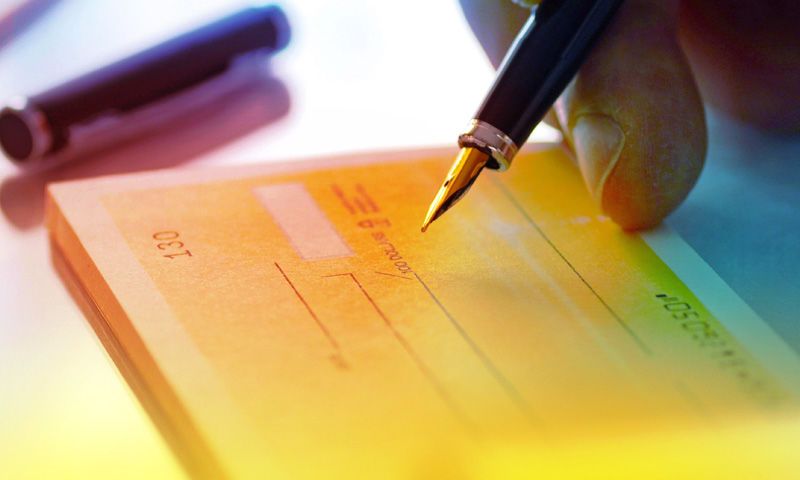
In the world of commerce and financial dealings, a cheque serves as more than just a payment instrument — it represents trust. However, when that trust is broken due to a dishonoured cheque, the consequences are not only financial but also legal. In India, cheque bounce is a punishable offense under Section 138 of the Negotiable Instruments Act, 1881.
This article, “Signature of Dishonour,” explores the legal implications, procedures, and remedies available in cheque bounce cases.
What Is a Cheque Bounce?
A cheque bounce, or dishonour of cheque, occurs when the bank refuses to honour the cheque upon presentation. The most common reasons include:
-
Insufficient funds in the drawer’s account
-
Signature mismatch
-
Account closure
-
Stop payment instructions
-
Exceeding arrangement
While all dishonours may carry consequences, Section 138 specifically addresses dishonour due to insufficient funds or exceeding the amount arranged with the bank.
Essentials of a Section 138 Offense
For a case under Section 138 to be valid, the following conditions must be satisfied:
-
Cheque must be issued for the discharge of a legally enforceable debt or liability.
-
Cheque is presented within its validity period (usually 3 months from the date).
-
Cheque is returned unpaid by the bank due to insufficient funds or other specific reasons.
-
A written demand notice is sent to the drawer within 30 days of the return memo.
-
The drawer fails to make payment within 15 days from the receipt of the notice.
If payment is not made within the stipulated time, the payee has the right to initiate criminal proceedings.
Legal Remedies Available
1. Filing a Complaint under Section 138
-
A criminal complaint can be filed in the Magistrate’s court after the expiry of 15 days from the date of receipt of notice.
-
The complaint must be filed within one month from that date.
-
If proven guilty, the offender can face:
-
Imprisonment up to 2 years
-
Fine up to twice the amount of the cheque
-
Or both
-
2. Civil Suit for Recovery
-
In parallel, the payee can also file a civil suit for recovery of the cheque amount, along with interest and legal costs.
-
This is especially useful if the drawer is willing to settle but needs to be compelled legally.
3. Summary Suit Under Order XXXVII of CPC
-
A quicker civil remedy for cheque amounts, especially for businesses, where the court may pass judgment if the accused fails to enter a valid defense.
Defenses Available to the Drawer
While cheque bounce is a strict liability offense, some common defenses include:
-
Cheque was not issued for any legal liability
-
Notice not served properly or not within time
-
Cheque was lost/stolen and misused
-
Amount mentioned was altered without consent
The burden of proof initially lies on the complainant, but once a presumption under Section 139 arises, the accused must rebut it.
Important Judicial Pronouncements
-
Dashrath Rupsingh Rathod v. State of Maharashtra (2014): Clarified territorial jurisdiction for filing complaints.
-
M/s. Bridgestone India Pvt. Ltd. v. Inderpal Singh (2016): Restored that complaint can be filed at the place where the cheque was deposited for clearance.
-
Kumar Exports v. Sharma Carpets (2009): Explained the burden of proof under Sections 138 and 139.
Conclusion
A bounced cheque may seem like a simple financial lapse, but under Indian law, it is treated as a serious breach of financial integrity. “Signature of Dishonour” underscores that the legal system offers robust remedies for those affected. Whether you’re a business, professional, or individual — understanding your rights and remedies can help protect your financial interests and uphold the sanctity of written commitments.