
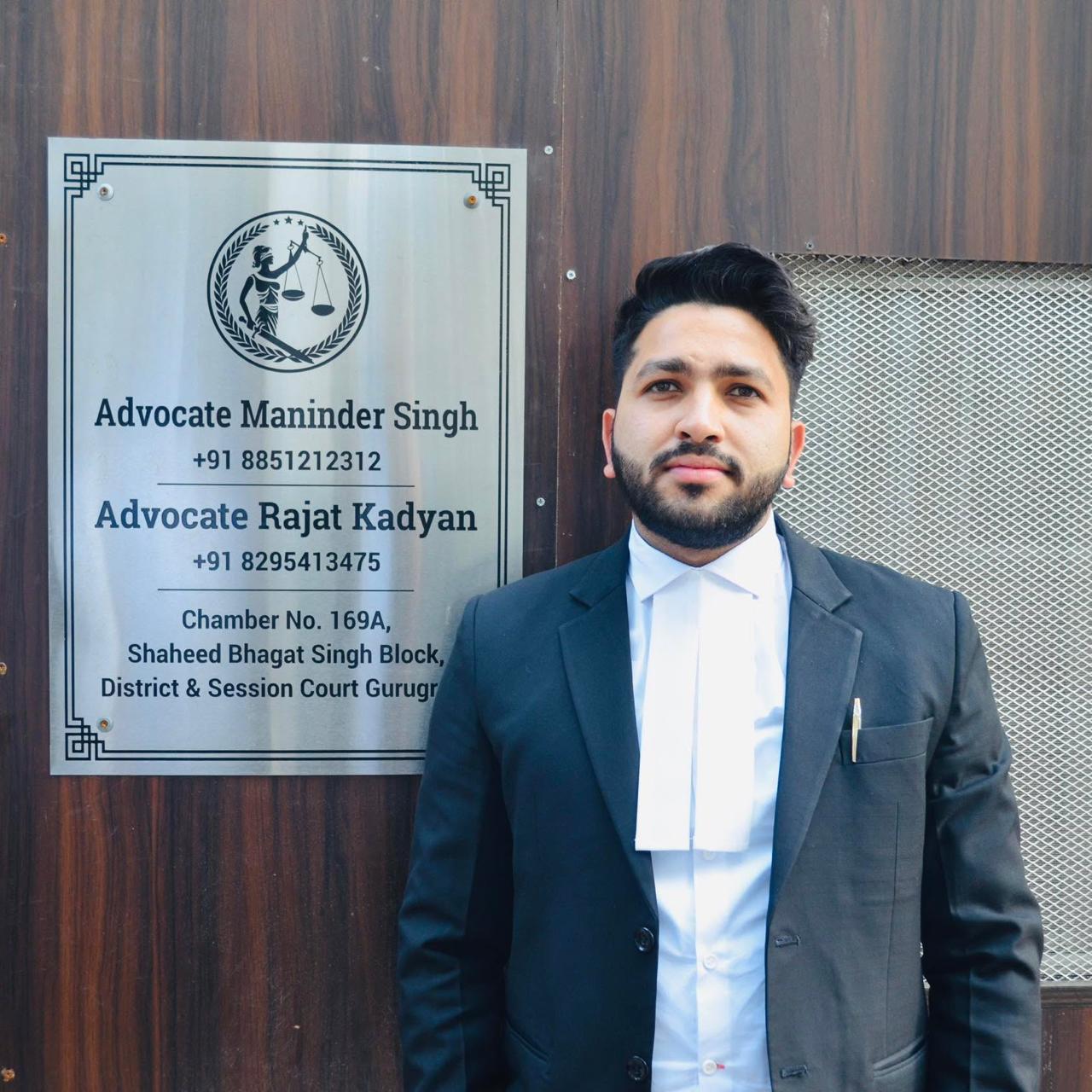
At Maninder Singh & Associates, we provide strategic criminal law counsel and representation with a strong focus on protecting the rights, liberty, and interests of our clients.
From investigation and arrest to bail, trial, and appellate proceedings, we approach every matter with diligence, discretion, and a carefully considered legal strategy. Our objective is to provide clear advice, strong representation, and practical legal solutions at every critical stage of a criminal case.
Timely advice can make a meaningful difference in a criminal matter.

Commercial and contractual disputes can disrupt business relationships, delay transactions and create significant financial uncertainty. Arbitration and conciliation provide important alternative mechanisms for resolving disputes outside the conventional court process while allowing parties to pursue structured and legally recognised solutions.
At Maninder Singh & Associates we provide focused legal assistance and representation in arbitration and conciliation matters. As an Arbitration Lawyer in Gurgaon we advise clients from the initial dispute and invocation of the arbitration agreement through proceedings, interim relief, hearings, settlement and enforcement of arbitral awards.
Our lawyers carefully examine the underlying contract, arbitration clause, correspondence, claims, counterclaims and supporting evidence before developing an appropriate dispute-resolution strategy. As an Arbitration Lawyer in Gurgaon, we represent clients in matters involving commercial agreements, construction disputes, property transactions, partnership disagreements, service contracts, financial claims and other contractual disputes.
We advise clients regarding arbitration clauses, invocation of arbitration, notices, pre-arbitration requirements, and the appropriate legal steps for commencing proceedings.
We assist clients in matters concerning appointment, nomination, replacement, or challenge of arbitrators in accordance with the applicable legal framework.
We represent claimants and respondents throughout arbitration proceedings, including pleadings, statements of claim, counterclaims, evidence, hearings, and final submissions.
We assist clients in seeking or defending appropriate interim measures to protect assets, contractual rights, evidence, or the subject matter of a dispute.
Arbitration is a form of alternative dispute resolution in which parties agree to have their dispute determined by an arbitrator or arbitral tribunal rather than through ordinary court litigation, subject to the applicable legal framework.
Arbitration involves an arbitrator or tribunal determining the dispute and issuing an award. Conciliation is generally a facilitative process in which the parties are assisted in reaching a mutually acceptable settlement.
Arbitration may generally be initiated where the parties have a valid arbitration agreement or clause and the dispute falls within its scope, subject to applicable procedural and legal requirements.
In appropriate circumstances, parties may seek interim measures from the competent court or arbitral tribunal, depending on the applicable law and stage of the arbitration.
An arbitral award may be challenged only on grounds recognised under the applicable arbitration law. The scope of such challenge is generally limited and depends on the facts and circumstances of the case.