
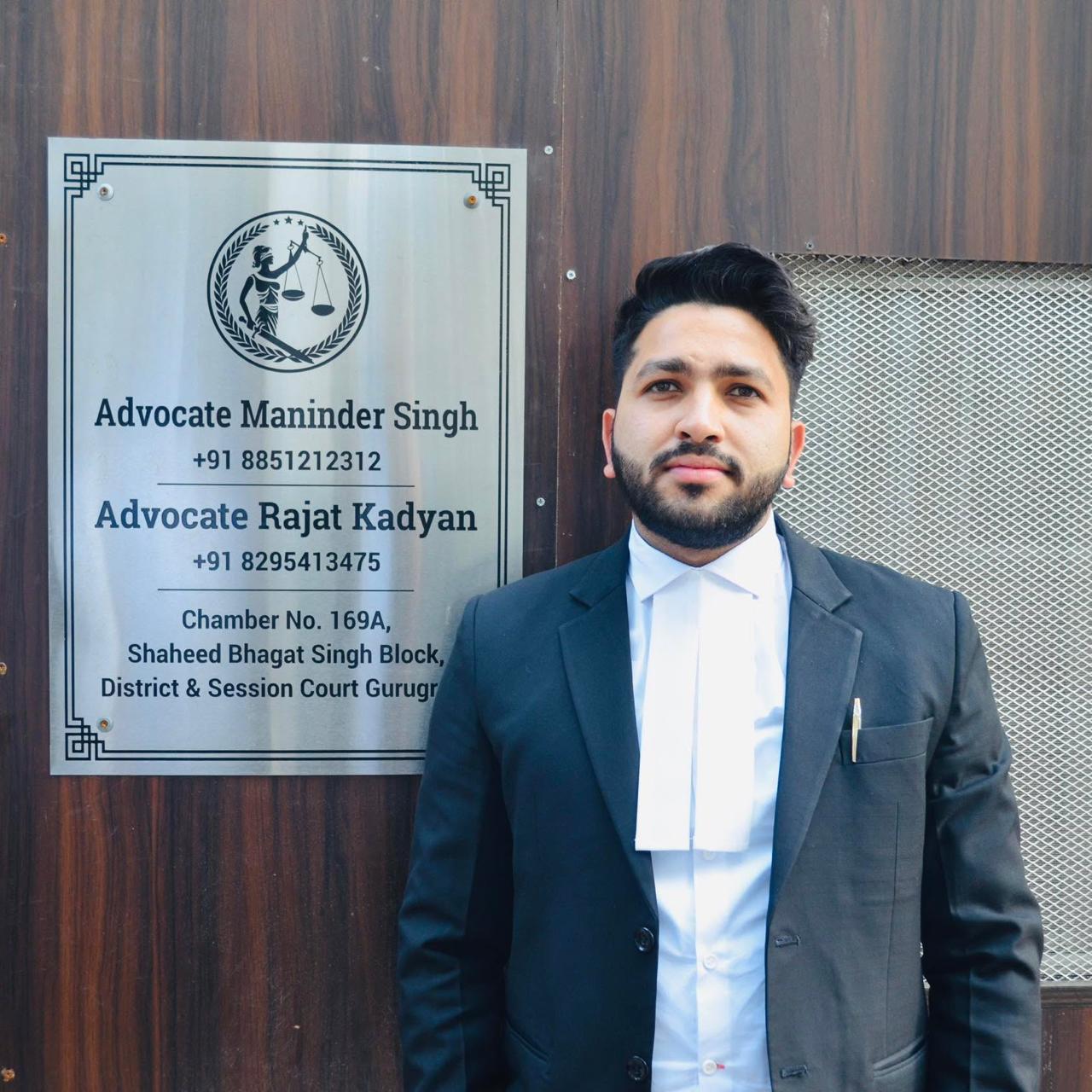
At Maninder Singh & Associates, we provide strategic criminal law counsel and representation with a strong focus on protecting the rights, liberty, and interests of our clients.
From investigation and arrest to bail, trial, and appellate proceedings, we approach every matter with diligence, discretion, and a carefully considered legal strategy. Our objective is to provide clear advice, strong representation, and practical legal solutions at every critical stage of a criminal case.
Timely advice can make a meaningful difference in a criminal matter.
The death of a loved one can leave a family facing profound emotional, financial and legal challenges. When a death occurs due to an accident, alleged negligence, criminal conduct or other circumstances giving rise to legal proceedings, families may need experienced representation to understand their rights and pursue appropriate remedies.
At Maninder Singh & Associates we provide focused legal assistance in matters involving fatal accidents, wrongful death claims, death-related criminal proceedings, compensation claims, investigations and related civil or criminal litigation. As a Death Case Lawyer in Gurgaon, we carefully assess the circumstances of each matter and advise clients on the appropriate legal course of action.
We carefully examine the circumstances surrounding the death, including FIRs, medical and post-mortem records, witness statements, accident documents, financial records, forensic material and other relevant evidence. As a Death Case Lawyer in Gurgaon we advise the family or affected parties on the appropriate legal remedies and representation available under the law.
We assist eligible family members in pursuing appropriate legal remedies where a death is alleged to have resulted from negligence, unlawful conduct, or other legally actionable circumstances.
We represent families in appropriate compensation proceedings arising from fatal motor accidents and other accidental deaths.
We provide representation in criminal proceedings involving allegations concerning the circumstances surrounding a person’s death, subject to the facts and applicable law.
We assist clients in matters involving FIRs, police investigation, statements, evidence collection, forensic material, and other procedural developments.
The appropriate legal remedy depends on the circumstances. Depending on the facts, it may involve a criminal complaint or investigation, compensation proceedings, insurance claims, or other civil and legal remedies.
In appropriate circumstances, eligible legal representatives or dependants may pursue compensation arising from accidental or wrongful death, subject to the applicable law and facts of the case.
Depending on the circumstances, relevant evidence may include FIRs, medical records, post-mortem reports, forensic material, witness statements, photographs, CCTV footage, financial records, insurance documents, and other relevant material.
Depending on the facts and applicable law, alleged negligence resulting in death may give rise to criminal, civil, compensation, or other legal proceedings.
Depending on the circumstances and available legal grounds, appropriate remedies may be available where the family has concerns regarding the investigation, evidence, or handling of the matter.