
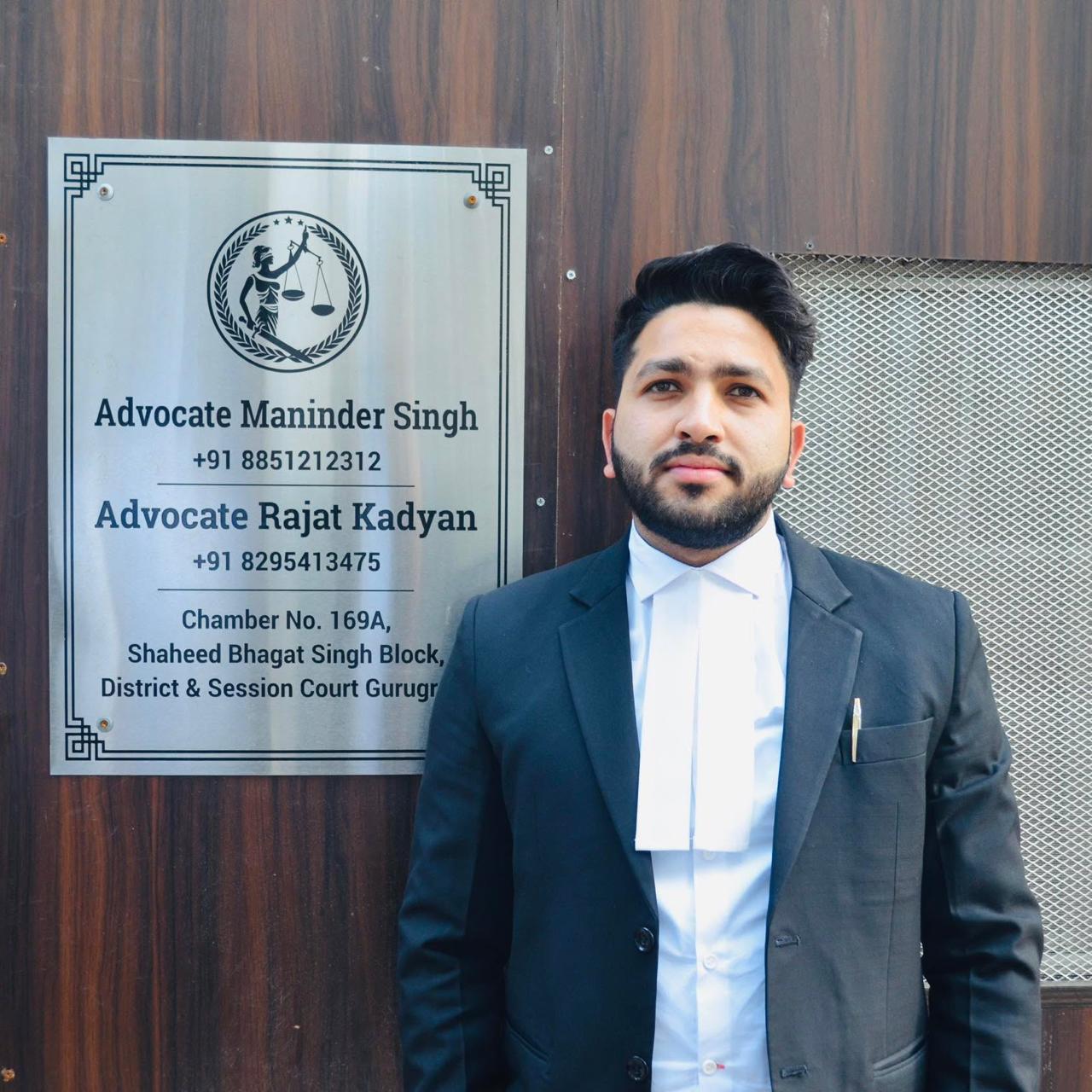
At Maninder Singh & Associates, we provide strategic criminal law counsel and representation with a strong focus on protecting the rights, liberty, and interests of our clients.
From investigation and arrest to bail, trial, and appellate proceedings, we approach every matter with diligence, discretion, and a carefully considered legal strategy. Our objective is to provide clear advice, strong representation, and practical legal solutions at every critical stage of a criminal case.
Timely advice can make a meaningful difference in a criminal matter.

Unpaid dues and outstanding payments can place significant pressure on individuals, businesses, and commercial relationships. When repeated requests for payment fail to resolve the matter, timely legal intervention can help protect legitimate financial interests and determine the appropriate course of recovery.
At Maninder Singh & Associates, we provide focused legal assistance in recovery matters involving outstanding dues, contractual payments, loans, business transactions, unpaid invoices, damages, and other legally enforceable monetary claims.
Our approach begins with a detailed assessment of the underlying transaction, contractual obligations, invoices, payment records, correspondence, acknowledgements, and other supporting documents. Based on the facts and applicable law, we advise clients on appropriate pre-litigation and litigation remedies for pursuing recovery.
We represent individuals, businesses, and organisations in appropriate civil proceedings for recovery of legally due and payable amounts.
We assist businesses in pursuing outstanding payments arising from commercial transactions, services, supplies, agreements, and other business dealings.
We provide legal assistance in matters involving unpaid loans, advances, financial obligations, and other recoverable debts, subject to the applicable legal framework.
We prepare and issue carefully drafted legal notices setting out the nature of the claim, outstanding amount, contractual obligations, and appropriate demand for payment.
It is advisable to seek legal advice when a legitimate payment remains outstanding despite repeated demands, particularly where there is a written agreement, invoice, acknowledgement of liability, or other documentary evidence.
A legal notice can formally demand payment and may help initiate settlement or resolution before litigation. However, issuing a notice does not itself guarantee recovery.
Depending on the facts, contractual arrangement, limitation requirements, and available evidence, a civil or commercial recovery proceeding may be available.
Relevant documents may include agreements, invoices, purchase orders, account statements, payment records, emails, messages, acknowledgements, notices, and other evidence demonstrating the transaction and outstanding liability.
Yes. Depending on the circumstances, negotiation, mediation, or a mutually agreed settlement may resolve the dispute without prolonged litigation.