
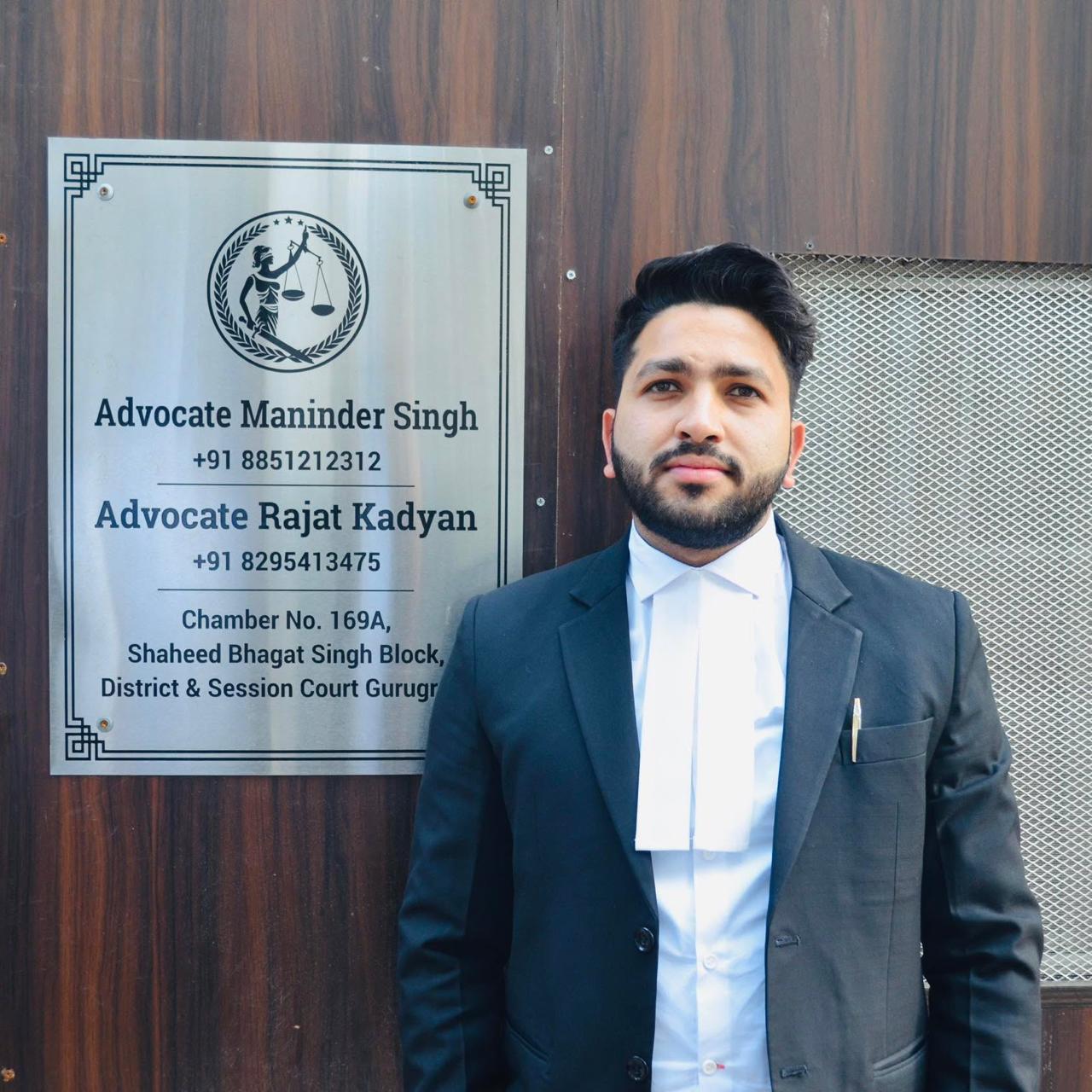
At Maninder Singh & Associates, we provide strategic criminal law counsel and representation with a strong focus on protecting the rights, liberty, and interests of our clients.
From investigation and arrest to bail, trial, and appellate proceedings, we approach every matter with diligence, discretion, and a carefully considered legal strategy. Our objective is to provide clear advice, strong representation, and practical legal solutions at every critical stage of a criminal case.
Timely advice can make a meaningful difference in a criminal matter.

Adoption is a life-changing legal and personal process that creates a permanent relationship between a child and an adoptive family. Because adoption involves the legal status, rights, responsibilities, and welfare of a child, every stage requires careful attention to the applicable legal framework and prescribed procedures.
At Maninder Singh & Associates, we provide professional legal assistance in adoption-related matters, helping prospective adoptive parents, biological parents, guardians, and other concerned parties understand their legal rights, responsibilities, and available remedies.
Our lawyers assist with adoption documentation, legal procedures, guardianship-related matters, adoption disputes, and proceedings before the appropriate authorities or courts. We carefully assess the circumstances of each matter and provide guidance designed to ensure that the process is approached lawfully, responsibly, and with the child’s welfare at its centre.
We advise prospective adoptive parents and other concerned parties regarding the applicable legal framework, eligibility, documentation, and procedural requirements.
We assist with preparation, review, and organisation of documents required during the adoption process, depending on the applicable legal route.
We provide legal representation and assistance in appropriate proceedings before competent courts and authorities concerning adoption.
We advise and represent clients in appropriate guardianship proceedings and matters concerning the legal care and welfare of a child.
The process depends upon the circumstances of the adoption and the applicable legal framework. Different requirements may apply to different categories of adoption, and professional legal guidance can help determine the appropriate procedure.
Yes. A lawyer can assist in understanding, preparing, reviewing, and organising relevant legal documents and advising on procedural requirements.
Yes, relative adoption is recognised under applicable legal frameworks, subject to prescribed requirements and procedures.
Depending on the applicable legal route and circumstances, court involvement or orders may be required. The appropriate procedure should be determined based on the individual case.
The appropriate legal remedy depends upon the nature of the dispute, applicable law, and circumstances. Legal representation may be required before the competent authority or court.