
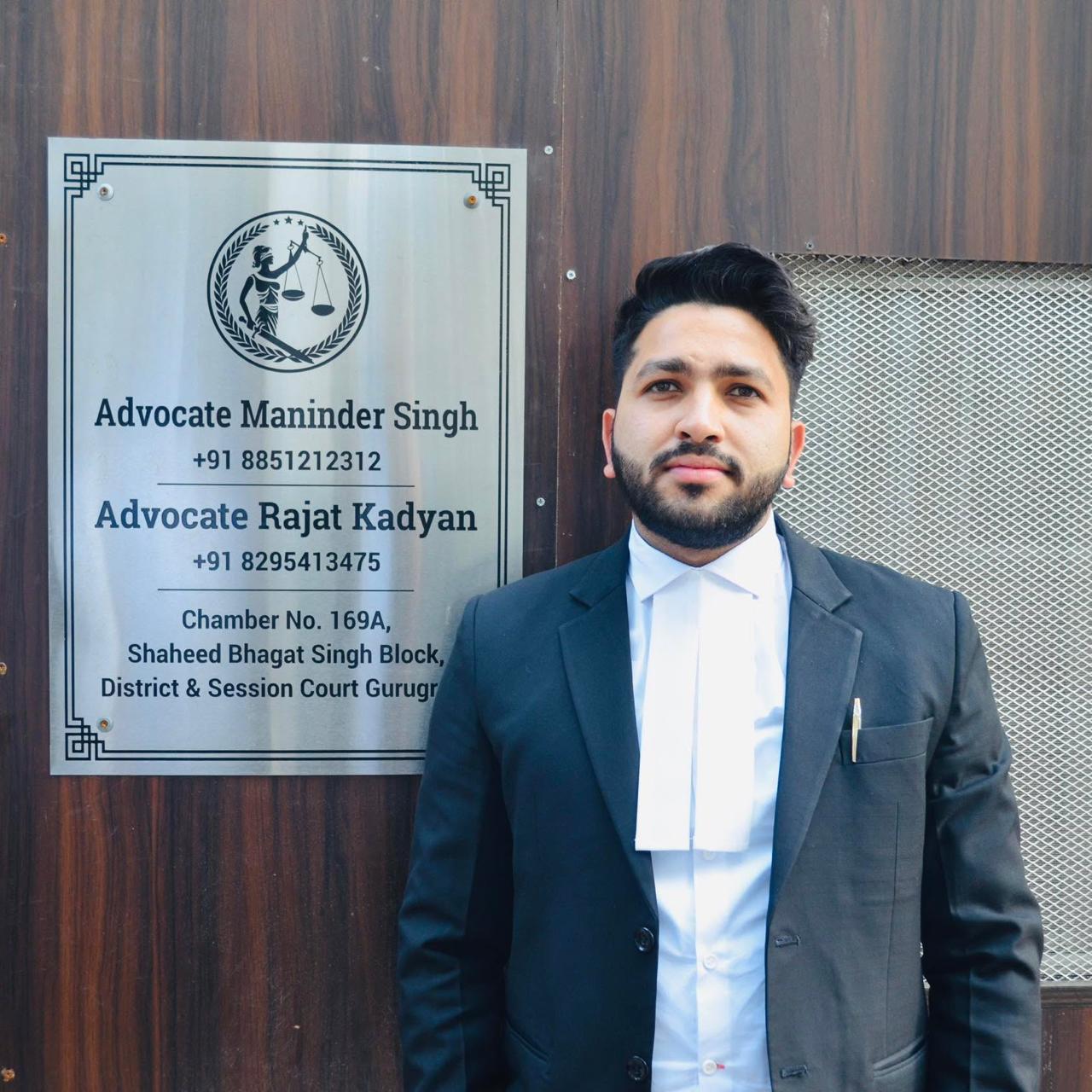
At Maninder Singh & Associates, we provide strategic criminal law counsel and representation with a strong focus on protecting the rights, liberty, and interests of our clients.
From investigation and arrest to bail, trial, and appellate proceedings, we approach every matter with diligence, discretion, and a carefully considered legal strategy. Our objective is to provide clear advice, strong representation, and practical legal solutions at every critical stage of a criminal case.
Timely advice can make a meaningful difference in a criminal matter.
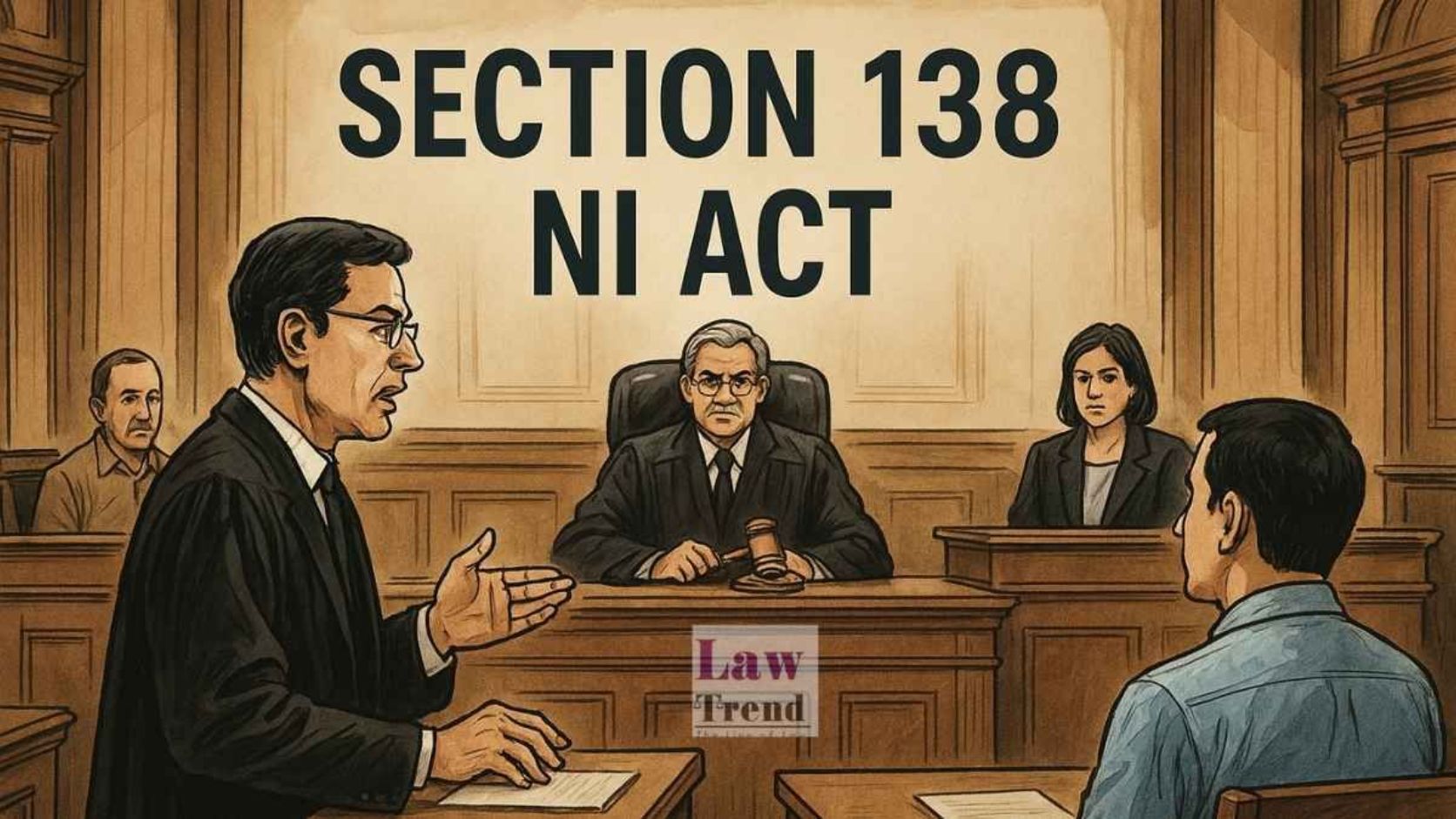
A dishonoured cheque can lead to significant financial and legal consequences, particularly where the cheque was issued towards a legally enforceable debt or liability. Section 138 of the Negotiable Instruments Act, 1881 provides a specific statutory framework for dealing with cheque dishonour, subject to fulfilment of the requirements prescribed under law.
At Maninder Singh & Associates, we provide focused legal representation in matters arising under Section 138 of the Negotiable Instruments Act, assisting both complainants and accused persons. As a Section 138 NI Act Lawyer in Gurgaon we carefully examine the underlying transaction, cheque, bank return memo, statutory notice, payment records, correspondence and other relevant evidence before advising on the appropriate legal strategy.
Section 138 proceedings are highly procedural in nature and compliance with statutory requirements and timelines can be crucial. As a Section 138 NI Act Lawyer in Gurgaon our approach therefore combines careful documentation, precise legal drafting, strategic case preparation and effective courtroom representation.
We assist payees and holders in due course in preparing and pursuing appropriate complaints arising from cheque dishonour where the statutory requirements are satisfied.
We prepare and review demand notices following cheque dishonour, with careful attention to the applicable statutory requirements and prescribed timelines.
We represent accused persons and examine the underlying transaction, alleged liability, cheque issuance, statutory compliance, evidence, and other legally sustainable grounds of defence.
Our lawyers provide representation through the various stages of proceedings, including pleadings, evidence, cross-examination, arguments, and appropriate interim applications.
Section 138 of the Negotiable Instruments Act, 1881 deals with dishonour of a cheque in circumstances specified by the provision, including where the cheque was issued towards a legally enforceable debt or liability and the statutory requirements are fulfilled.
The statutory framework requires the payee or holder in due course to issue a written demand notice within 30 days of receiving information regarding the dishonour from the bank, subject to the applicable provisions of the Act.
The drawer is generally provided 15 days from receipt of the notice to make payment of the cheque amount. The subsequent legal steps depend upon whether payment is made and whether the statutory requirements for initiating proceedings are satisfied.
Yes. An accused may raise legally sustainable defences based on the facts and circumstances of the transaction, including issues concerning the alleged liability, evidence, statutory compliance, and other relevant matters.
Yes. Proceedings under Section 138 are legally capable of being compounded, subject to the applicable procedure and circumstances of the matter.