
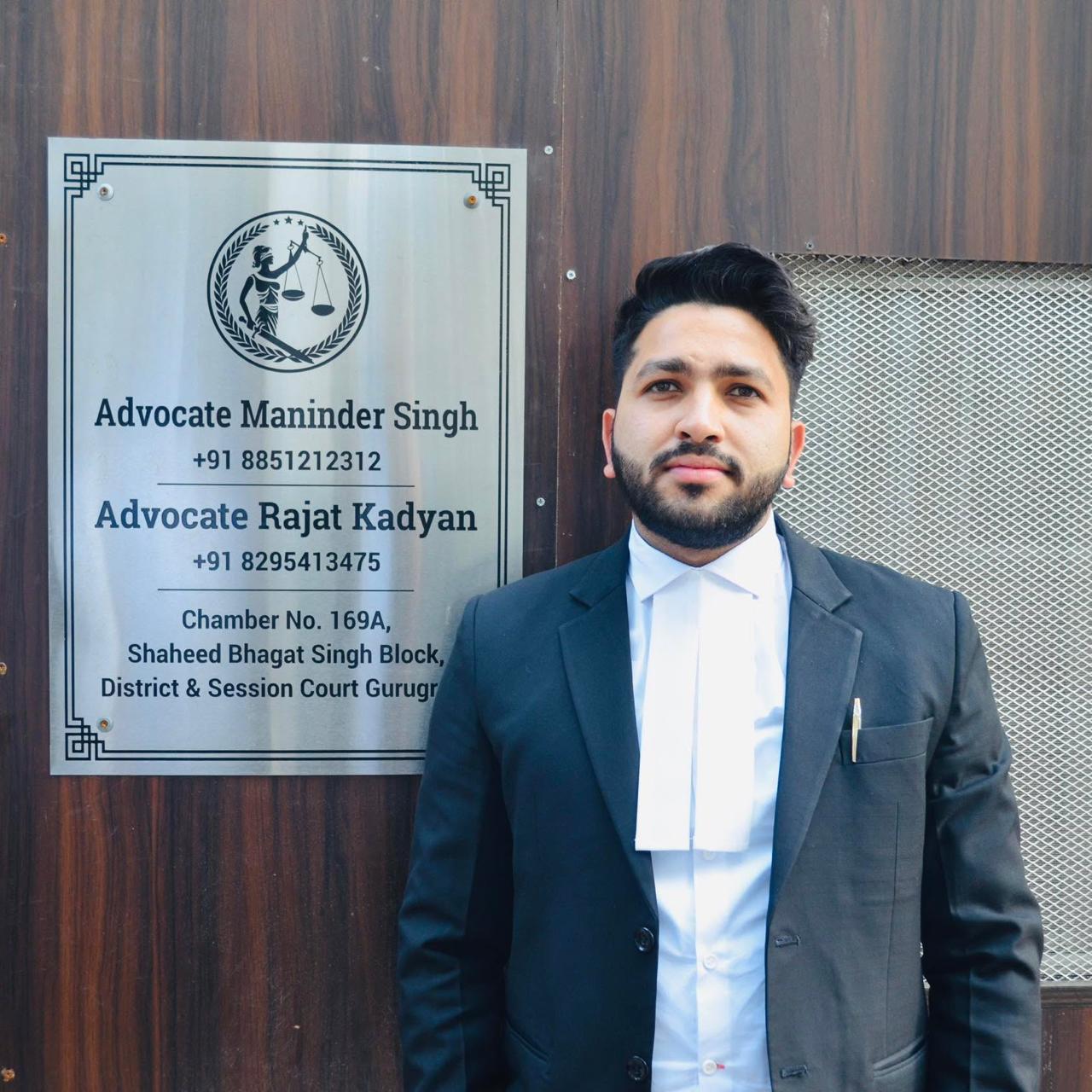
At Maninder Singh & Associates, we provide strategic criminal law counsel and representation with a strong focus on protecting the rights, liberty, and interests of our clients.
From investigation and arrest to bail, trial, and appellate proceedings, we approach every matter with diligence, discretion, and a carefully considered legal strategy. Our objective is to provide clear advice, strong representation, and practical legal solutions at every critical stage of a criminal case.
Timely advice can make a meaningful difference in a criminal matter.

Well-drafted legal documents form the foundation of many personal, commercial, property, and contractual transactions. Ambiguous language, incomplete clauses, or failure to address important legal obligations can create disputes long after a document has been signed.
At Maninder Singh & Associates, we provide professional legal assistance in drafting, reviewing, vetting, and structuring a wide range of legal documents. Our approach is focused on ensuring that the document clearly reflects the parties’ intentions while appropriately addressing their rights, obligations, responsibilities, and potential legal risks.
We assist individuals, businesses, property owners, entrepreneurs, and other clients with agreements, contracts, deeds, affidavits, legal notices, undertakings, declarations, settlement documents, property-related documentation, and other legal instruments.
We draft clear and structured agreements covering commercial, personal, professional, and contractual arrangements.
We review existing contracts to identify ambiguous provisions, potential risks, obligations, liabilities, termination clauses, and other important legal considerations.
We assist with legal documentation relating to property transactions, including agreements, declarations, undertakings, and other relevant instruments.
We prepare professionally drafted legal notices concerning contractual breaches, recovery claims, property disputes, consumer grievances, and other legal matters.
A legal review can help identify unclear clauses, hidden obligations, financial liabilities, restrictive terms, termination provisions, and other potential risks before the document becomes binding.
Yes. A lawyer can prepare an agreement based on the parties' specific transaction, responsibilities, commercial objectives, and applicable legal requirements.
Depending on the agreement and circumstances, parties may amend contractual terms through an appropriate written document, subject to applicable law and the original contract.
Depending on the requirement, legal counsel may assist with contracts, agreements, legal notices, affidavits, declarations, undertakings, settlement agreements, property documents, and other legal instruments.
The requirement depends on the nature of the dispute and applicable law. In some matters, a legal notice may be an important or necessary procedural step, while in others it may not be mandatory.